
There is a particular quality of attention that emerges when a man begins to document what he eats across a full week. Not calorie counting — that is a different enterprise — but a considered record of sequence, timing, and ingredient. This notebook kept such a record over seven consecutive days in Kuala Lumpur, drawing on the kinds of whole food patterns that appear with regularity in both traditional Malaysian cooking and published nutritional wellness research.
The Monday baseline: what a typical day looked like
The week opened with an observation that would repeat itself: active men in Kuala Lumpur tend to begin their mornings without much consideration of what they are eating. A roti canai from the nearest warung, strong coffee, and a phone screen. The nutritional variety at this point is minimal — refined flour, condensed milk, caffeine. The body has what it needs to function for approximately two hours before the afternoon energy dip begins its quiet arrival.
This is not a moral judgement about the roti canai. It is a structural observation. The ingredient complexity of the morning meal has a documented relationship with sustained energy rhythm across the rest of the day, and that relationship was the primary subject of this week-long record.
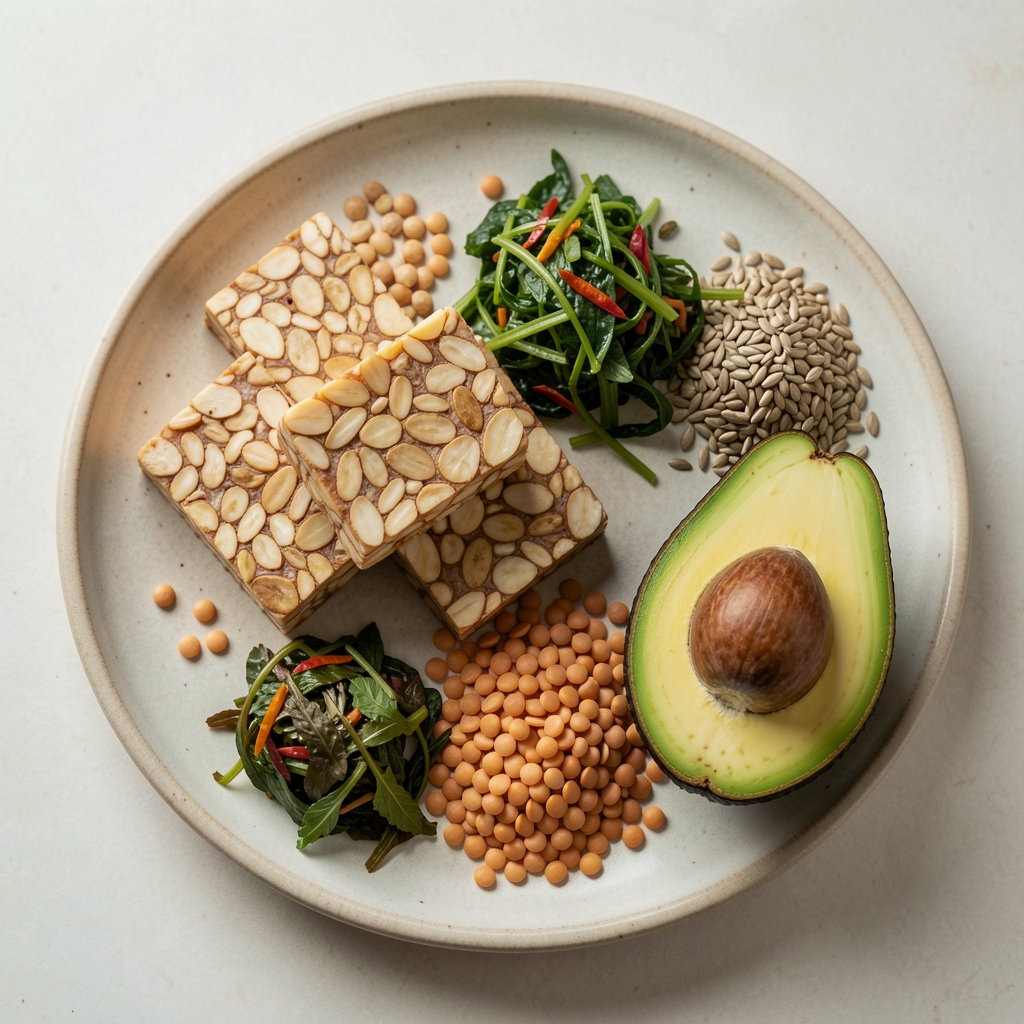
By contrast, Tuesday's observation noted a simple substitution: a breakfast of two soft-boiled eggs, sliced avocado, and a handful of mixed seeds alongside the same coffee. The afternoon energy pattern that followed was markedly different — not in a dramatic way, but in a quality of steadiness that persisted through the early afternoon without the familiar mid-day dip arriving before noon.
Traditional Malaysian ingredients and nutrient density
Malaysian culinary tradition offers a particularly rich vocabulary for whole food nutrition. Ulam — the local practice of consuming raw or lightly blanched herbs and vegetables alongside a main meal — represents one of the more quietly nutritious habits in the regional diet. Pegaga (Centella asiatica), ulam raja, and daun kesum appear frequently on tables that would otherwise be considered unremarkable in nutritional terms.
Wednesday's observational focus was placed specifically on the mid-day meal. A plate of nasi campur chosen with deliberate attention to protein and vegetable variety — tempeh, sayur campur, half a portion of rice, and a generous side of ulam — produced a markedly different energy pattern than the Tuesday morning. The magnesium-associated properties of dark leafy greens and seeds are well-documented in nutritional research; in practice, the observation is simply that afternoons feel less heavy when the plate contains more variety and less refined starch.
"The plate is not a prescription. It is a daily record of priorities — and priorities, observed over enough consecutive days, become patterns."
Zinc-rich foods and the midweek record
Thursday and Friday's observations centred on zinc-rich food sources, which appear with reasonable frequency in traditional Malaysian cuisine without being named as such. Kerang (cockles), lean beef rendang, and various legume-based dishes contribute zinc to the diet in ways that require no supplementation and no special effort — only the deliberate inclusion of these already-familiar ingredients with slightly more regularity.
Published wellness research associates adequate zinc intake with muscle recovery awareness and daily energy balance. The observation from this notebook is consistent with that literature: the two days featuring the most varied protein sources — cockles with sambal at dinner, eggs at breakfast, a small portion of beef at lunch — produced the most stable reported energy across the full day.
Hydration and the overlooked variable
The weekend observation introduced a variable that the weekday records had inadvertently controlled for: hydration. Wednesday's physical output — a long morning walk and an afternoon of outdoor recreation — was followed by a reported fatigue pattern that, upon reflection, correlated more strongly with inadequate water intake throughout the day than with the food record itself.
Hydration habits contribute to daily wellbeing and physical performance awareness in ways that are often underweighted in nutritional observation. The seven-day record returned to this point repeatedly: two cups of water before the first meal of the day, consistent intake through the afternoon, and reduced reliance on sweetened beverages produced the most consistent daily energy profile across the full week.
What the week-long record suggests
Seven days is not a controlled study. The Gronthal Notebook does not make that claim. What it does observe is a pattern consistent with published nutritional wellness literature: variety in protein sources, inclusion of traditional plant foods alongside the main diet, adequate hydration, and modest attention to meal timing — these habits, maintained consistently, produce a more stable and productive daily energy experience than the unreflective defaults that most active men in Kuala Lumpur operate with.
The week-long format is particularly useful because it includes the disruptions — the social dinner that replaces the planned meal, the long day that ends with convenience food, the morning that begins with nothing because the alarm was ignored. Real habits live in these interruptions, not in the ideal pattern. Observing what happens on the disrupted day, and what happens the day after, is where the most useful editorial insight actually resides.
A note on traditional wellness practice in Malaysia
Malaysia's traditional botanical practices — jamu-adjacent preparations, ulam rituals, and the everyday inclusion of turmeric, ginger, and lemongrass in the base flavours of most home cooking — represent an inherited nutritional intelligence that wellness research is still in the process of formally documenting. This notebook does not claim that these practices constitute a replacement for evidence-based nutritional guidance. It does observe that active men who eat closer to this tradition, and further from processed convenience food, consistently report more stable energy patterns across the working week.
The record continues next month. The focus will shift to the relationship between meal timing and the afternoon energy rhythm — a subject that warrants its own seven-day observation window.